
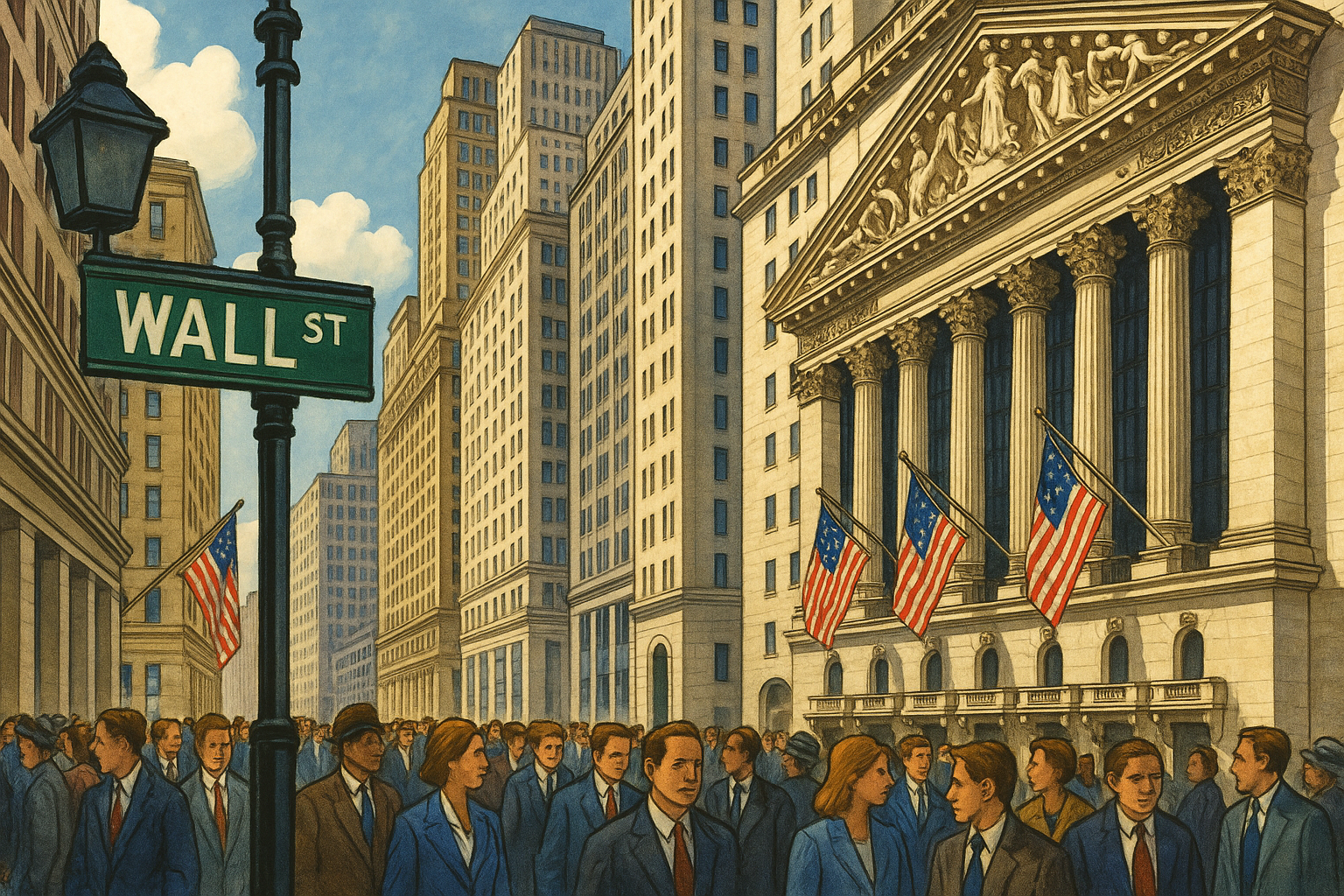
US stocks swung sharply intraday as investors recovered from early losses while grappling with unprecedented legal pressure on Federal Reserve Chair Jerome Powell.
The S&P 500 moved back into positive territory by midday trading after plunging to session lows on Monday, while bank shares slumped amid a Justice Department criminal investigation into Powell.
Moreover, a lingering anxiety over President Trump’s proposal to cap credit card interest rates at 10% also added to the overall uncertainty among investors.
US stocks’ rebound masks banking weakness
Monday’s session proved volatile as the market absorbed twin shocks to financial stability and monetary independence.
The S&P 500 fell as low as 0.7% before recovering ground in afternoon trading, though the broader index remained under pressure.
The Nasdaq composite and Dow Jones Industrial Average similarly traced U-shaped patterns, with defensive technology names like Walmart providing ballast while financial stocks tumbled.
Banking shares bore the brunt of the selling. Capital One shares tumbled nearly 9%, while Citigroup slid roughly 3 to 4% and JPMorgan Chase dropped more than 3% in early trading.
American Express fell 4.4%, and even payment processors Visa and Mastercard each slipped nearly 2% as investors repriced credit-card earning power downward.
The weakness extended to smaller lenders: Bank of America fell more than 1% as traders anticipated pressure on loan profitability from either regulatory action or congressional intervention on interest-rate caps.
Broader market indices showed resilience despite the financial sector volatility.
Energy, utility, and defensive stocks provided relative strength as investors rotated into names perceived as less vulnerable to political pressure or regulatory action.
Legal action and Fed independence concern
The market’s caution reflected Powell’s own alarm.
On Sunday evening, the Federal Reserve Chair disclosed in a video statement that the Department of Justice had served grand jury subpoenas related to his June testimony before the Senate Banking Committee.
The testimony revolves around the Federal Reserve’s $2.5 billion renovation of its Washington headquarters.
Powell called the action “unprecedented” and directly attributed it to Trump’s frustration over the Fed’s refusal to cut interest rates more aggressively.
“The threat of criminal indictment related to my setting interest rates based on my best judgment of what will serve the public is clearly a pretext,” Powell stated.
The subpoenas create a rare constitutional moment: federal prosecutors opening a criminal investigation into a sitting Fed chair over policy decisions raises fundamental questions.
Market strategists noted that such an escalation risks destabilising confidence in the Fed’s autonomy, precisely what investors need to price assets accurately in an environment of near-record stock valuations.
Compounding the legal stress, Trump’s weekend proposal to impose a 10% cap on credit-card interest rates effective January 20 sent card issuers scrambling to reassure investors that congressional action remains unlikely.
Yet the fact that a sitting president can move bank stocks 9% simply by announcing regulatory intent underscores how precarious the regulatory environment has become for financial firms.
The post US midday market brief: S&P 500 turns positive; banks slide on Powell probe appeared first on Invezz
